
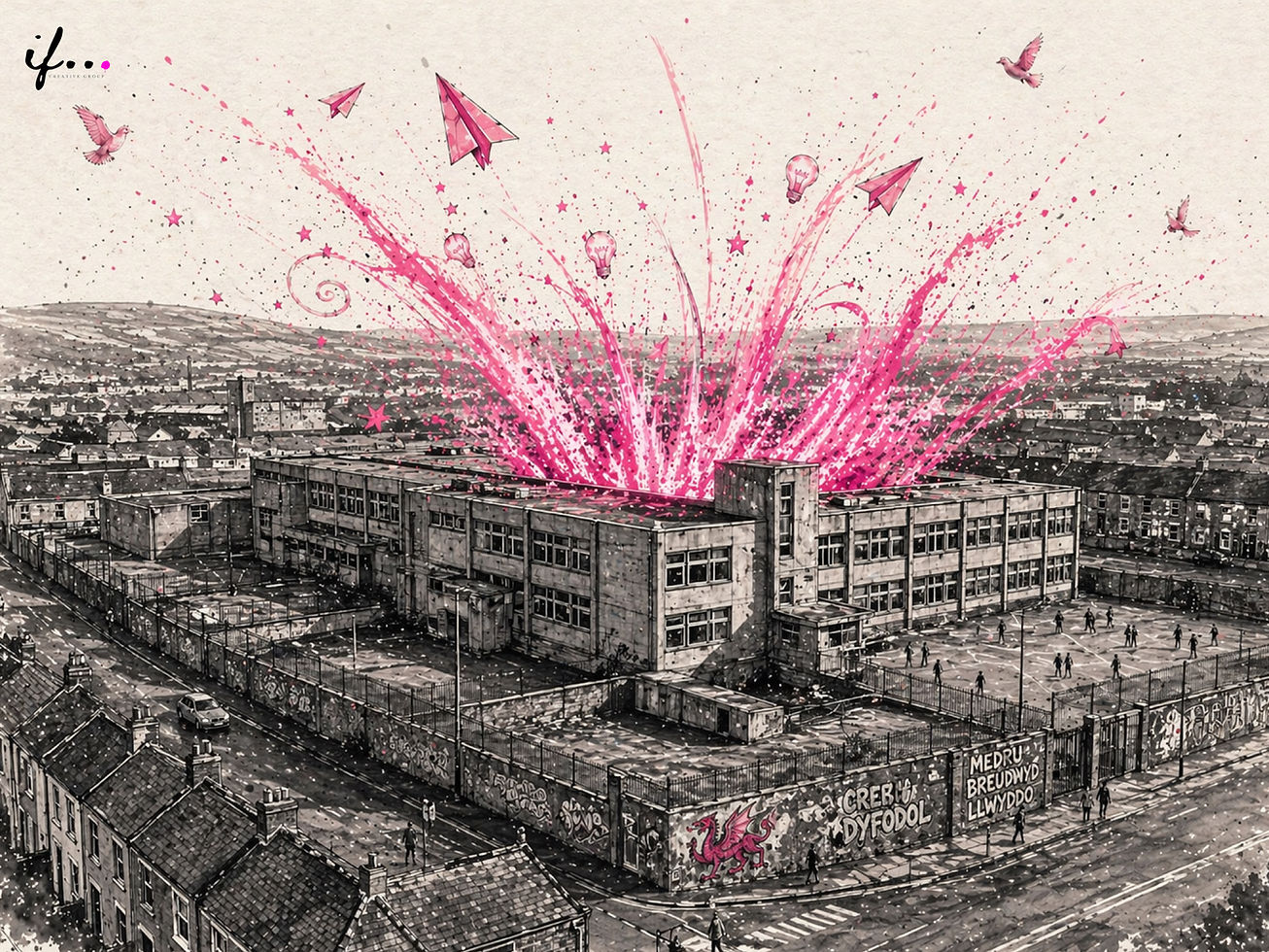
We say children are different, then we teach them as if they aren’t.

I have watched Ken Robinson’s TED Talk more times than I can count, but it has felt different recently.
Perhaps that is what happens when an old idea stops being theoretical.
When it turns up at your own kitchen table. In a school bag dropped by the door. In the tiredness that is not just tiredness, but the strain of trying to fit yourself into a rhythm that does not quite fit you back.
Watching my daughter move from primary school into high school has brought all of it closer. Not because her school is failing, and not because the teachers are not trying.
Quite the opposite. Most seem to be doing an extraordinary job within a system that asks too much of everyone inside it.
That is the part I keep coming back to.
We are very good at saying children are all different. We say it with warmth, with confidence, almost as a point of pride. Different strengths. Different needs. Different ways of learning, responding, thinking and being.
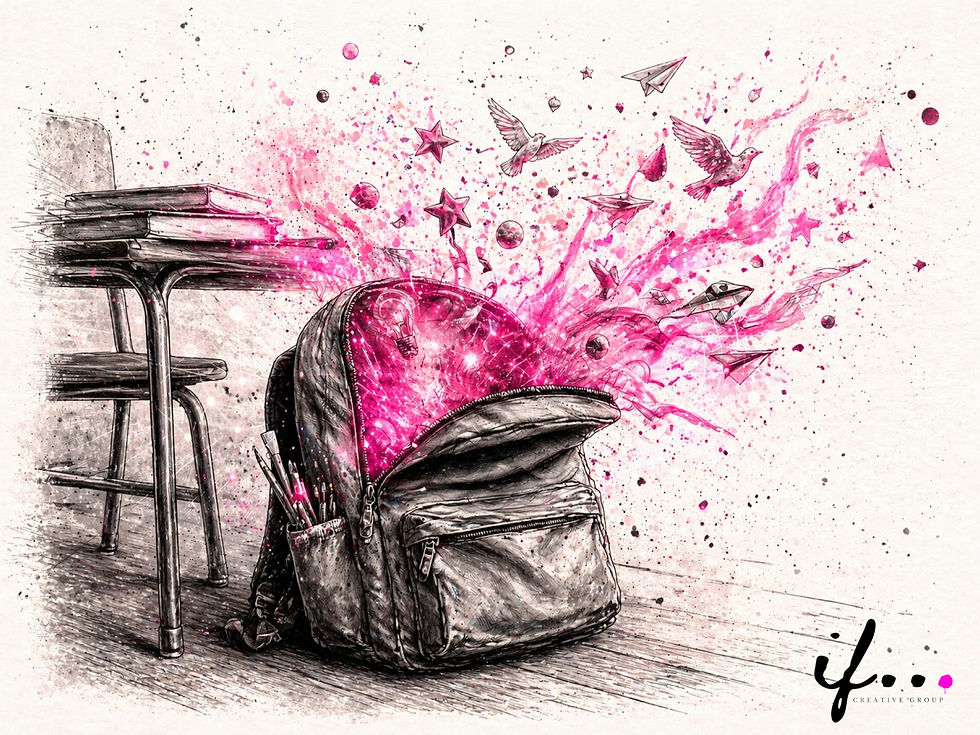
And then, far too often, we teach them as if none of that is really true.
The structure still seems built around a narrow idea of the ideal learner: someone who can sit still for long stretches, absorb information in concentrated bursts, move from room to room without friction, adapt quickly, retain what matters, and do it all again several times over in a single day. For some children, that works. For others, it is like being asked to run in shoes that never quite fit.
Primary school, at its best, can sometimes leave a little more room for the child. A sense that if something is difficult, another way in might be found. A tougher task might be balanced with something more engaging, more familiar, more connected to interest or confidence. As children get older, that flexibility often narrows. The pace hardens. The structure takes over. Fit this. Follow that. Keep up.
For creative and neurodivergent children especially, that can feel less like growth and more like compression.

The more I sit with it, the more it feels as though the issue runs even wider than creativity alone. It is not only that creativity can be squeezed. It is that difference itself is too often treated as disruption, rather than information. As something to manage, rather than something to understand.
Ken Robinson made a version of this point years ago, and it has stayed with me. If a business asked adults to sit through repeated 45-minute periods of intense information, constantly change rooms, constantly adapt to different groups and expectations, and then judged them harshly when they struggled to sustain concentration, energy or consistency, we would probably describe that as an unworkable system. In school, many children are simply expected to cope.
This is not an argument for lowering standards, or for blaming the people trying to hold everything together. It is a quieter argument than that, but no less important.
If we really believe children are different, then the structure has to make more room for that difference to exist.
Because sometimes the child who appears to be struggling is not showing us what is wrong with them.
They are showing us what is missing from the system.


Comments